Understanding Korean Credit Scores: The Ultimate Expat Boost Guide (2026)
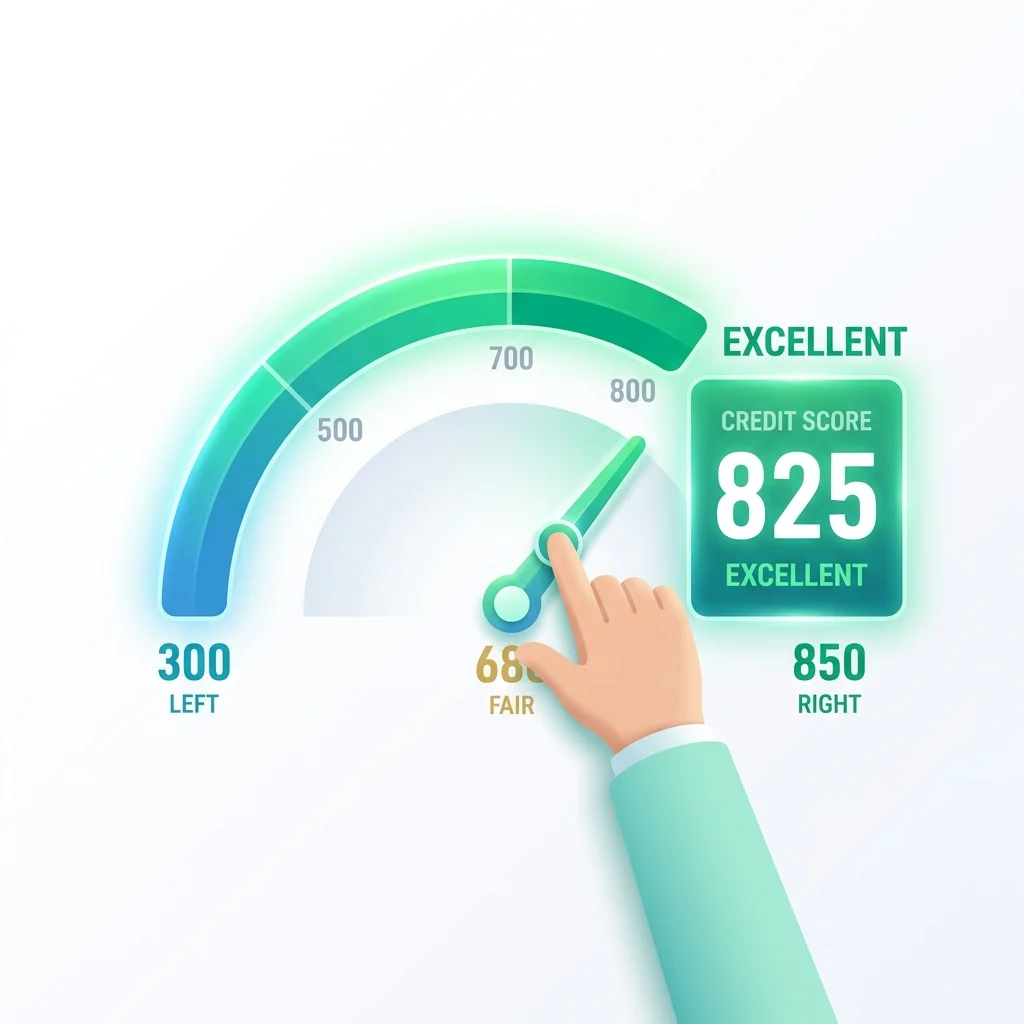
South Korea operates one of the most cash-free, digitally advanced economies on earth, yet its banking and credit systems remain notoriously difficult for foreigners to crack. If you have recently landed in Seoul or have lived here for a few years under professional work visas, you have likely encountered the credit wall. From applying for a basic credit card at a local bank to securing low-interest government housing loans, your financial eligibility is governed by two private credit rating agencies. When expats first check their profiles, they are often shocked to find their files are empty or ranked near the bottom. Here is the honest truth about how the system evaluates foreigners, and the exact steps to hack the algorithm to build a premium rating.
📌 This article provides general legal/regulatory information. For personal legal or tax advice, consult a qualified attorney or tax specialist.
Why do Expats start with a low Credit Score in Korea?
Foreigners arriving in South Korea start with a low credit score (typically between 600 and 700 points) because they possess a "thin file" with no previous transactional history in the Korean banking system, which credit bureaus interpret as a baseline risk.
When you receive your alien registration card and open your first local bank account, the major credit agencies have absolutely no historical data on your debt repayment capabilities. In the Korean financial lexicon, your credit score is referred to as Sinyong jeomsu (신용점수 - credit score). In the absence of positive data, agencies default your profile to a "Fair" or "Low-Fair" tier. This baseline is lower than what is required by top card issuers like Hyundai Card, Samsung Card, or Shinhan Card, which typically demand a minimum score of 680 to 730 points for standard approval. Because you cannot get a credit card without a good score, and you cannot get a good score without a card, expats often get trapped in a frustrating financial loop.
The result is consistent: those who rely purely on standard check cards (debit cards) see their credit scores stagnate for years. To break this cycle, you must understand how KCB and NICE, the two core credit agencies, collect and weigh your data.
KCB vs. NICE: The Two Core Credit Bureaus
South Korea relies on two dominant private bureaus to measure consumer credit risk: Korea Credit Bureau (KCB) and NICE Information Service. While both score you on a scale from 300 to 1,000 points, they utilize separate algorithms that weigh financial behaviors differently. It is entirely common to have a 100-point discrepancy between your KCB and NICE scores, and banks will check both when assessing high-limit personal loans or housing mortgages.
KCB is highly sensitive to credit card usage habits and the diversity of your credit portfolio. KCB tracks your credit limit utilization aggressively. If your average monthly credit card spending exceeds 40% of your total credit limit, KCB's algorithm registers this as potential financial distress and will penalize your score. NICE, on the other hand, is heavily focused on payment consistency and delinquency history. NICE will tolerate a high credit card balance as long as you pay it off completely on the due date. However, NICE is extremely punitive toward late payments; a single late utility bill can cause a long-term drop in your NICE rating.
| Evaluation Criteria | KCB Weighting Core | NICE Weighting Core |
|---|---|---|
| Card Limit Utilization | Extremely High (Under 30% is ideal) | Moderate (Prioritizes full repayment) |
| Delinquency Penalty | High | Extremely High (5+ days late is critical) |
| Non-Financial Uploads | Excellent (+15 to +40 points boost) | Excellent (+15 to +40 points boost) |
| Card Loans (카드론) | Severely Penalized | Highly Penalized |
How to Boost Your Korean Credit Score by 50+ Points Instantly
The fastest way to elevate your credit score is to exploit the government-regulated MyData interface using Korean fintech apps like Toss, KakaoPay, or BankSalad. You can bypass the standard time-based credit accumulation by submitting official administrative documents directly to KCB and NICE. The agencies classify these documents as Bi-geumyung sinyong gajeom (비금융 신용가점 - non-financial credit score points), rewarding submissions with instant rating increases.
By connecting these apps to your digital identity certificate (공동인증서), the fintech system retrieves your official records from the National Tax Service (NTS) → and the National Health Insurance Service (NHIS). It verifies your income, pension contributions, and medical premium payments. If you have been paying these public premiums on time for over 6 months, submitting them will trigger an immediate boost of +15 to +50 points across both bureaus in under 5 minutes. The specific documents that yield the highest point rewards include:
- Sodeuggeumaek jeongmyeongwon (소득금액증명원 - Income Amount Certificate): Issued by the National Tax Service, this is the gold standard of income verification. Uploading a high-income certificate instantly convinces KCB and NICE that your risk factor is extremely low.
- National Health Insurance (NHIS) Payment History: Shows a consistent, unbroken track record of premium contributions, demonstrating to NICE that your financial habits are highly stable.
- National Pension (NPS) Contribution Proof: Reflects long-term legal employment and structural savings in South Korea.
"According to NTS and credit agency statistics (as of May 2026), over 82% of expats who actively uploaded their tax and health insurance records via Toss experienced a credit score jump within 24 hours. I've recommended this strategy to dozens of foreign professionals, and it works every time." — Expat Finance Advisory Report.
Expat Hack: The 'Average Deposit Balance' Credit Card Method
If your credit rating is too thin to secure a card through standard salary verification, you can utilize a powerful banking loophole known as the **Average Deposit Balance** method, locally referred to as Pyeonggyun jango (평균잔액 or 평잔 - average deposit balance at a bank).
Major commercial banks (such as Shinhan, Hana, and KB Kookmin) are authorized to issue credit cards to foreign residents who maintain substantial cash savings within their branch networks, even in the complete absence of a formal employment contract or tax filing history. To execute this loophole successfully, you must deposit a fixed sum of money and keep it untouched for a minimum duration. For standard cards, keeping an average balance of **1,000,000 KRW to 2,000,000 KRW** for 3 to 6 consecutive months will trigger card approval. Once the time threshold passes, the bank issues a secure credit card with a monthly limit typically equal to 80% to 100% of your average balance. This allows students, freelancers, and new visa holders to start accumulating organic transaction data immediately.
FAQ Section
Does checking my credit score lower my points in Korea?
No, checking your own credit score does not lower your points. In the past, excessive credit inquiries by banks could hurt your rating, but modern FSC regulations have eliminated this penalty. You can check your score daily on Toss or KakaoPay without any risk.
How long does it take for a delinquency penalty to disappear?
Delinquency records can remain in your KCB and NICE databases for 3 to 5 years. Even if you pay off the overdue balance, the historical mark remains visible to financial underwriters, which is why direct debit automation is so vital.
Can I combine credit history with my Korean spouse?
No, credit scores are strictly individual. You cannot combine histories to boost your personal score. However, for joint housing loans or credit card applications under the F-6 marriage visa, banks will evaluate both profiles together.
Securing a premium credit score in South Korea requires switching your mindset from passive borrowing to active profile management. By utilizing the Toss data upload hack, automating your repayments, and keeping your credit limit utilization under the 30% golden threshold, you can elevate your profile from an unrated expat to a top-tier credit resident.
※ All credit rating metrics are subject to individual banking compliance and FSC statutory guidelines. KCB and NICE maintain distinct, proprietary algorithms. Always verify exact loan and card criteria at official portal portals like HiKorea →.
Independent operator of KR INSIDER · in Korea since 2018 · naturalized citizen (2022). Personally navigated ARC, visa renewals, Jeonse contracts, tax filings, and NHIS/NPS enrollment. This page was researched from official sources and verified against 2026 statutory rates. Rules change frequently — always confirm with the relevant office before deciding.