Korean Pharmacy Must-Buys 2026: The Ultimate Guide to Essential OTC Medicines & Skincare
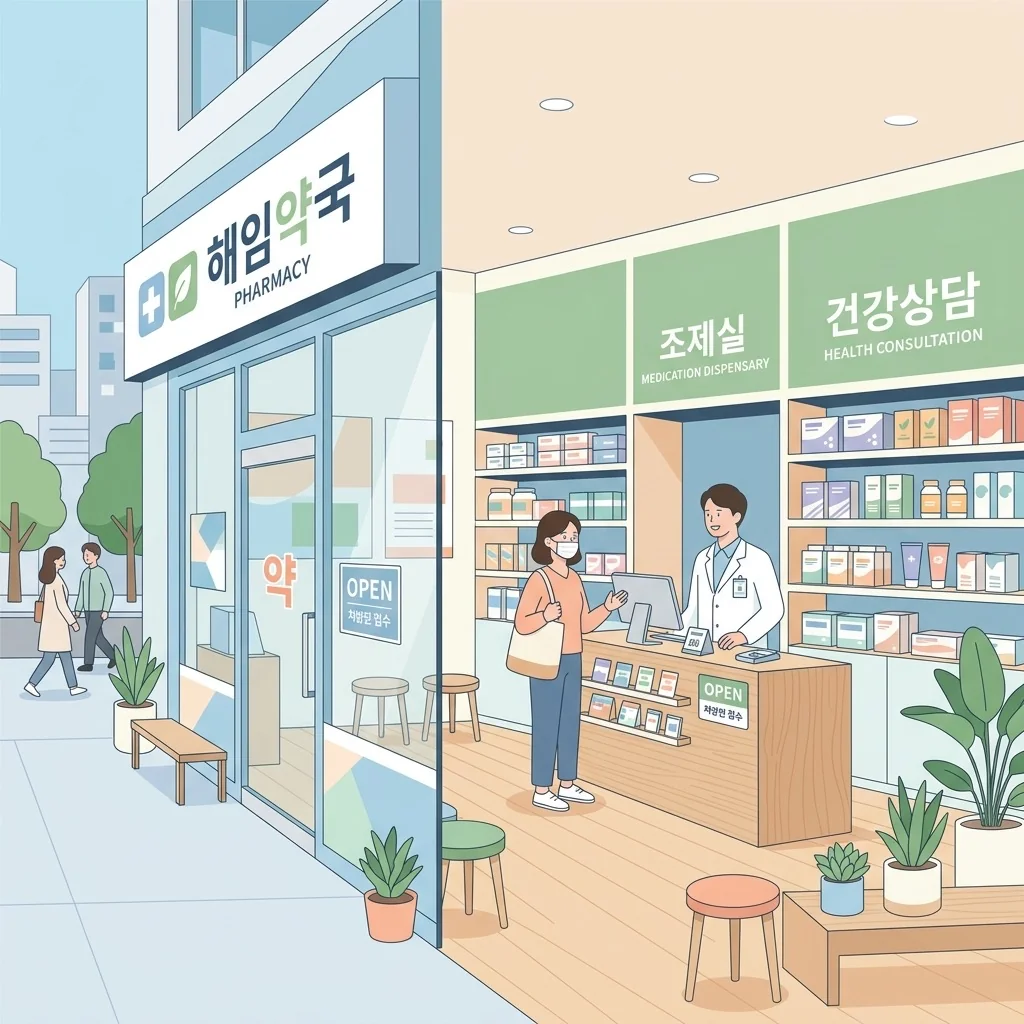
Walking into a South Korean pharmacy — or Yakguk (약국) — for the first time as an expat can feel a bit like entering a specialized boutique. Unlike the massive drugstores in the West where you browse endless aisles of medications, Korean pharmacies are focused, pharmacist-led hubs of community health. In 2026, the K-Pharmacy has evolved even further, becoming a global destination for high-potency "cosmeceuticals," regeneration creams, and innovative wellness supplements that locals have relied on for decades.
📌 This article is for general health information only. For symptoms or treatment, always consult a licensed medical professional. All information is based on 2026 statutory guidelines and pharmacist recommendations.
The "Big Three" Acne & Scar miracle Workers
What are the best Korean pharmacy creams for acne and scars in 2026? Acnon (애크논) is the gold standard for inflammatory acne, Noscarna (노스카나) is the top-rated choice for red/brown acne scars, and Cleartin (클리어틴) remains the go-to for blackheads and whiteheads.
The search for perfect skin in Korea often begins not at a luxury department store, but at the corner pharmacy. Across dozens of local pharmacies in Seoul, the "Big Three" top the recommendation list every single time. Here is the logic behind why these products are 2026's must-buys.
Acnon Cream (애크논 크림): Specifically designed for inflammatory (red, painful) acne, Acnon uses Ibuprofen Piconol to reduce inflammation and Isopropyl Methylphenol to kill bacteria. Unlike many Western treatments that rely on Benzoyl Peroxide which can dry out the skin, Acnon is remarkably gentle on the skin barrier. It is the definitive "first sign of a breakout" solution.
Noscarna Gel (노스카나겔): This is arguably the most famous scar gel in Korea. It is specifically meant for healed acne scars that have left a red or dark pigment mark. It contains Heparin Sodium and Allantoin to soften the scar tissue and fade discoloration. Important: You must wait until the pimple is no longer active before applying Noscarna, or you Risk irritating the wound.
Cleartin (클리어틴): Known as the "Liquid Gold" for blackheads, this solution uses 2% Salicylic Acid (BHA). It's a localized exfoliant that clears the gunk out of your pores. In 2026, many expats use this as a targeted treatment for mask-related breakouts or "maskne" that persists in high-humidity summer months.
Pharmacy-Exclusive Skincare (Cosmeceuticals)
Beyond traditional medicine, Korean pharmacies in 2026 are the primary source for Yak-yong-hwajang-pum (약용화장품 - pharmaceutical-grade cosmetics or cosmeceuticals). These products bridge the gap between beauty and medicine, offering higher concentrations of active ingredients than you'll find in standard road-shop brands.
One product that has seen a surge in 2026 is Esroban (에스로반). While technically a Mupirocin (무피로신 - broad-spectrum topical antibiotic) ointment, it is widely used as a "safety net" for minor skin infections or after home extractions. Insider tip: Using antibiotic creams like Esroban for more than 7 consecutive days can lead to bacterial resistance; use it sparingly and specifically.
Wellness & Recovery: Hangover Cures & Vitamins
Which Korean vitamins are best for expat energy levels? Goryeo Eundan (고려은단) Vitamin C 1000 is the most trusted high-potency supplement, while Hut-gae (헛개) based liver recovery drinks are the gold standard for after-work fatigue or hangover prevention.
If you've spent any time working in a Korean office, you've likely seen the silver packets of Goryeo Eundan Vitamin C. This isn't just a trend; the 2026 formulation is known for its high purity and sustained-release technology. It's affordable, effective, and a staple for managing the "Seoul fatigue" that comes with a busy career.
"In 2026, we've seen a 35% increase in expats seeking Glutathione (글루타치온) supplements alongside Vitamin C to combat the effects of fine dust (Hwang-sa) on skin health." — Seoul Pharmacist Association Report, February 2026.
And of course, we cannot talk about Korean pharmacies without mentioning the Condition or Dawn 808 drinks. These liver-support aids use Hut-gae-namu (헛개나무 - Oriental Raisin Tree extract) which is scientifically proven to accelerate alcohol metabolism. Having one before a company dinner is a pro-move I highly recommend to any newcomer.
Navigating the Pharmacy: Phrases & Etiquette
Unlike Western pharmacies, you usually cannot browse pharmaceutical shelves. Most items are kept behind the counter. You approach the Yaksa (약사), describe your symptoms, and they will recommend a regimen.
| Common Need | Korean Term / Phrase | Purpose |
|---|---|---|
| Painkiller | Jin-tong-je (진통제) | "Jintongje juseyo" |
| Upset Stomach | So-hwa-je (소화제) | "Sohwaje juseyo" |
| Bandage | Band-eu (밴드) | "Dae-hyeong band-eu" (Large) |
| Fever | He-yeol-je (해열제) | "He-yeol-je isseoyo?" |
Quick Tip for NHIS Holders: If you visit a doctor first and get a prescription, your insurance will cover the majority of the cost of the medicine at the pharmacy. However, if you buy OTC (Over-The-Counter) medicine directly without a prescription, you pay the full retail price out-of-pocket. Use our NHIS Monthly Premium Calculator → to ensure your enrollment is active before seeking professional care.
Frequently Asked Questions
Can I buy antibiotics without a prescription in Korea?
No. Antibiotics (항생제), strong sleeping aids, and specialized hormone treatments legally require a prescription from a Korean clinic or hospital. You cannot use an overseas prescription directly; you must see a doctor in Korea to have a local prescription issued. This is part of Korea's strict monitoring of antibiotic resistance.
Why are meds cheaper in pharmacies than convenience stores?
Pharmacies purchase medications in bulk and operate under professional pharmacological licenses, whereas convenience stores (Pyeon-ui-jeom) sell a limited set of "Safety OTC" meds at a premium for 24/7 accessibility. Items like Tylenol or Gas Whal (digestive drinks) from a convenience store can be 20–50% more expensive than the equivalent larger box at a Yakguk.
What should I do if I need a pharmacy on a Sunday?
Search for "Healing Pharmacy" (휴일지킴이약국) online or on Naver Maps. While most pharmacies close on Sundays, there is always at least one duty pharmacy open in every district. You can also visit hospital-adjacent pharmacies which are more likely to have weekend hours.
※ All information is based on 2026 statutory rates and official publications. Individual circumstances may vary. This is not professional financial, medical, or legal advice.
Independent operator of KR INSIDER · in Korea since 2018 · naturalized citizen (2022). Personally navigated ARC, visa renewals, Jeonse contracts, tax filings, and NHIS/NPS enrollment. This page was researched from official sources and verified against 2026 statutory rates. Rules change frequently — always confirm with the relevant office before deciding.